



Please note picture is representative of the item but may be different. Always refer to product description for actual product details.
ScaleTrains HO
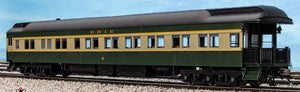
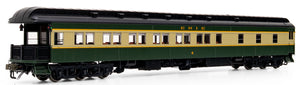
ScaleTrains Fox Valley Models HO SXT15180 Heavyweight Observation Erie/Two-Tone Green ERIE #4
Stock: 2
Scale: HO
SKU: SXT15180
ScaleTrains Fox Valley Models HO SXT15180 Heavyweight Observation Erie/Two-Tone Green ERIE #4
Detailed ScaleTrains
- Erie Railroad
-
Era: Early 1950s-early 1960s
- Car: 4
- Fully-assembled
- Detailed, riveted car bodies
- Flicker-free LED-illuminated lighting
-
LED-illuminated soft overhead interior lighting
- Mimics the gentle glow of period gas lamps
- Flexible end-of-car diaphragms
- Detailed and fully-furnished interiors; specific to the prototype
- Detailed underframe specific to the prototype includes brake chains, links, pulleys, rods, dehydrators, air reservoirs, and globe valves
- Factory-applied metal grab irons, coupler cut levers, and trainline hoses with connection pipe and silver gladhands
- Durable body-mounted die-cast metal semi-scale long-shank Type E knuckle couplers, painted a dingy gray/brown color to represent the color of couplers in service
- Free rolling, highly detailed 6-axle trucks
- 36” machined metal wheels with accurately profiled .110" wide wheel tread
- Operates on Code 70, 83, and 100 rail
- Printing and lettering legible even under magnification
- Weighted to Industry standards for reliable operation
- Packaging safely stores the model
- Minimum radius: 22”
-
Recommended radius: 24”
Prototype History:
In the early days of rail travel, passenger cars were crafted from wood, a material that, while easy to work with, had limitations in terms of strength and weight capacity. As the demand for larger, more durable cars grew, railroads turned to steel, revolutionizing train design. Steel allowed for the creation of more robust, longer-lasting cars. The introduction of steel, followed by advancements in construction techniques like welding and the use of lighter metals such as stainless steel, further enhanced the strength and reduced the weight of passenger cars.
"Heavyweight" passenger cars, a term often used to describe those built before the late 1930s, were typically made from riveted steel. These cars were characterized by their sturdy construction, often featuring six-wheel trucks and distinctive clerestory or arched roofs that curved elegantly at the ends. Among these, the Observation car stood out with its open porch area at the rear.
Observation cars were a unique and luxurious feature of period passenger trains, designed to provide travelers with a panoramic view of the scenery as they journeyed across the country. Positioned at the rear of the train, these cars typically featured an open or enclosed porch area, often adorned with elegant railings or glass windows, allowing passengers to enjoy an unobstructed view of the tracks and landscape behind them.
The purpose of the Observation car was twofold: to offer a comfortable and scenic experience for passengers, and to serve as a symbol of prestige for the railroad. In many cases, these cars were reserved for the wealthiest or most influential passengers, offering plush seating, fine amenities, and an air of exclusivity. Some Observation cars even featured lounges, bars, or dining areas where passengers could relax and socialize while taking in the view.
Observation cars were utilized on many of the most famous and luxurious trains of the era, including cross-country routes like the Santa Fe’s "Super Chief" and the Union Pacific’s "Overland Limited." These cars were often the final car on the train, ensuring that passengers had an unimpeded view. The design of the Observation car made it an iconic feature of passenger trains, symbolizing the golden age of rail travel.
These heavyweight cars were once a common sight on railroads across the United States. While many of these cars sported the classic "Pullman" green paint scheme, others were repainted to complement the sleek, streamlined trains that became popular in later years. Although eventually replaced by lighter, more modern cars, heavyweight passenger cars continued to serve in secondary roles and were often repurposed for maintenance-of-way (MOW) crews, extending their useful life on the rails.
Lombard Hobbies = Big Inventory ∙ Value Pricing ∙ Fast Shipping ∙ Great Service


